
Growing up in Taiwan, my education was heavily focused on test scores and memorization. Success meant mastering theories from textbooks and repeatedly practicing exam questions. But this approach was overwhelming—I struggled with test anxiety and was labeled a low-performing student. School felt rigid and uninspiring until I transferred to an art school for my Bachelor’s degree.
For the first time, I was encouraged to experiment with different art mediums without the fear of failure. My professor introduced me to the concept of “thinking like an artist”—a mindset that values curiosity, problem-solving, and resilience. This shift changed everything. Learning no longer felt like a high-stakes competition but an open-ended journey of discovery. Over nearly eight years of art school, I realized that learning can be engaging, personal, and even fun.
What Is the Artist Mindset and Why Does It Matter?
The artist mindset is about embracing creativity, adaptability, and persistence. Artists don’t just follow instructions; they experiment, take risks, and see mistakes as opportunities for growth. This mindset fosters critical thinking, problem-solving, and innovation—skills that extend far beyond the art studio.
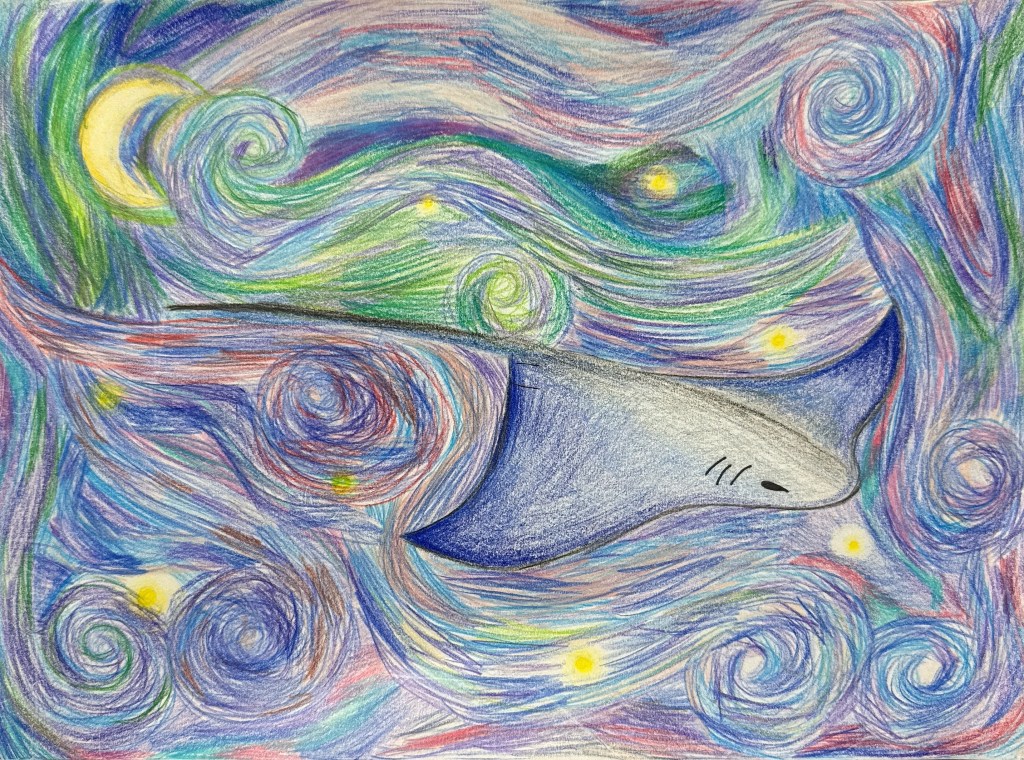
Embracing the artist mindset, my artistic journey expanded beyond illustration. I explored metalwork, sewing, and pottery, constantly challenging myself with new techniques and materials. I no longer feared failure but approached obstacles with a “why not?” attitude. Each challenge became a stepping stone rather than a setback.
Common Misconceptions About Creativity and Artistic Talent
One of the biggest misconceptions about creativity is that it’s an innate talent—something you’re born with. Many people believe that artists are simply gifted individuals with a natural ability to create. But creativity is not just an inborn trait; it’s a skill that can be nurtured and developed over time.
In reality, creative thinking is like a muscle—the more you use it, the stronger it gets. Artists and designers spend years refining their craft, experimenting with new techniques, and learning from their mistakes. The same applies to anyone in any field; creativity isn’t limited to the arts. It plays a vital role in problem-solving, innovation, and adaptability in business, science, and everyday life.
Believing that creativity is only for the “talented few” discourages people from exploring their potential. By shifting this mindset, anyone can unlock their creative abilities and apply them in meaningful ways.
How the Artist Mindset Shaped My Teaching
While pursuing my Master’s in education, I reflected on my learning experiences and the kind of teacher I wanted to become. I realized that not every student would develop a passion for art, but they could all benefit from the transferable skills embedded in the artist mindset—skills like resilience, creative problem-solving, and the confidence to take risks.
One way I foster this mindset in my classroom is through play-based, project-based, and hands-on learning. These approaches allow students to actively engage with materials, explore their creativity, and develop problem-solving skills in a low-pressure environment.
- Play-Based Learning: I incorporate Creative Play Stations, where students can freely explore different art materials and techniques without worrying about a final product. This fosters curiosity, encourages risk-taking, and allows students to experiment in a stress-free environment.
- Project-Based Learning: Two key projects that exemplify this approach are my art-science cross-curricular project, where students research a periodic table element, personify it, and create a human character, and my mural club, where students collaborate to design and paint large-scale artworks. These projects teach students how to problem-solve, work in teams, and apply their knowledge in innovative ways.
- Hands-On Learning: Students engage deeply with materials through projects like paper-mâché sculpture, which teaches patience, structural thinking, and material manipulation, and the “Recreating a Famous Portrait” photography assignment, where students learn about composition, lighting, and historical art references while reinterpreting classic works through their own lens. Both projects encourage students to see art as an evolving dialogue rather than a rigid set of rules.
By integrating these methods, I create a classroom where students feel safe taking creative risks, developing their artistic voice, and gaining valuable skills that extend beyond art. Whether they pursue art professionally or not, I hope they develop the ability to adapt, think critically, and trust their creative instincts. Even if they don’t fully recognize it now, I believe these skills will serve them in unexpected ways throughout their lives.
Why You Should Cultivate an Artist Mindset in Everyday Life
The artist mindset isn’t just for painters, sculptors, or designers—it’s a way of thinking that can benefit anyone. Whether you work in business, science, education, or any other field, embracing creativity can make you a better problem-solver, a more adaptable thinker, and a more resilient person.
In daily life, the artist mindset encourages flexibility and open-mindedness. It allows you to approach challenges with curiosity rather than fear, adapt to change with confidence, and find innovative solutions to problems. It also enhances emotional well-being—creative expression can reduce stress, increase self-awareness, and bring joy to everyday moments.
Cultivating an artist mindset helps people become more resourceful, embrace lifelong learning, and develop the confidence to try new things. By seeing the world through a creative lens, we can unlock new perspectives, create deeper connections, and find unexpected inspiration in our surroundings.
Practical Ways to Develop an Artist Mindset
If you want to cultivate an artist mindset in your own life, here are some ways to start:
- Embrace Experimentation – Try new activities, explore different materials, and step outside your comfort zone. Give yourself permission to create without worrying about the end result.
- Reframe Failure as Learning – Instead of seeing mistakes as setbacks, view them as valuable learning opportunities. Ask yourself: What can I learn from this experience?
- Practice Curiosity – Observe the world around you with fresh eyes. Ask “What if?” and “Why not?” when faced with challenges or creative blocks.
- Set Aside Perfectionism – Creativity thrives in an environment free of judgment. Allow yourself to create freely without the pressure to be perfect.
- Find Inspiration Everywhere – Seek inspiration from different sources, including nature, music, books, and conversations with others. Inspiration often comes from unexpected places.
- Make Time for Play – Creativity is often sparked by playfulness. Engage in activities that bring you joy and encourage exploration.
The artist mindset transformed my approach to learning, teaching, and personal growth. It helped me break free from the fear of failure and find joy in the creative process. Now, I aim to pass that mindset on to my students, empowering them to explore, experiment, and embrace the unknown.

 123ArtAppetit
Leave a comment