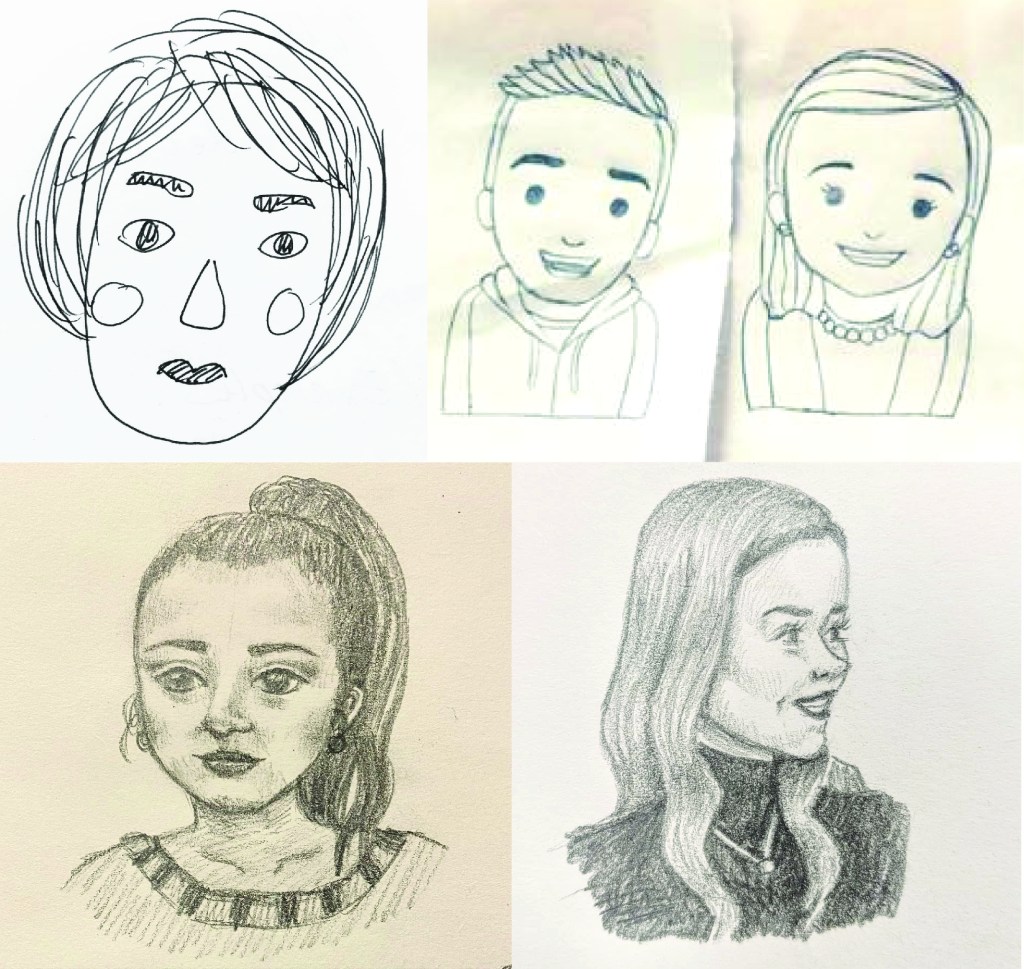
The Talent Myth: Why Creativity Isn’t a Birthright but a Habit
I often hear people say things like, “You’re so lucky to be naturally talented,” or “I could never be that creative.” These kinds of comments are usually well-meaning, but they always make me pause. Because here’s the truth: talent is overrated. Creativity is not some magical gift given to a chosen few at birth. It’s not a trait you’re either born with or not. It’s a skill. And like any skill, it can be learned, practiced, and mastered over time.
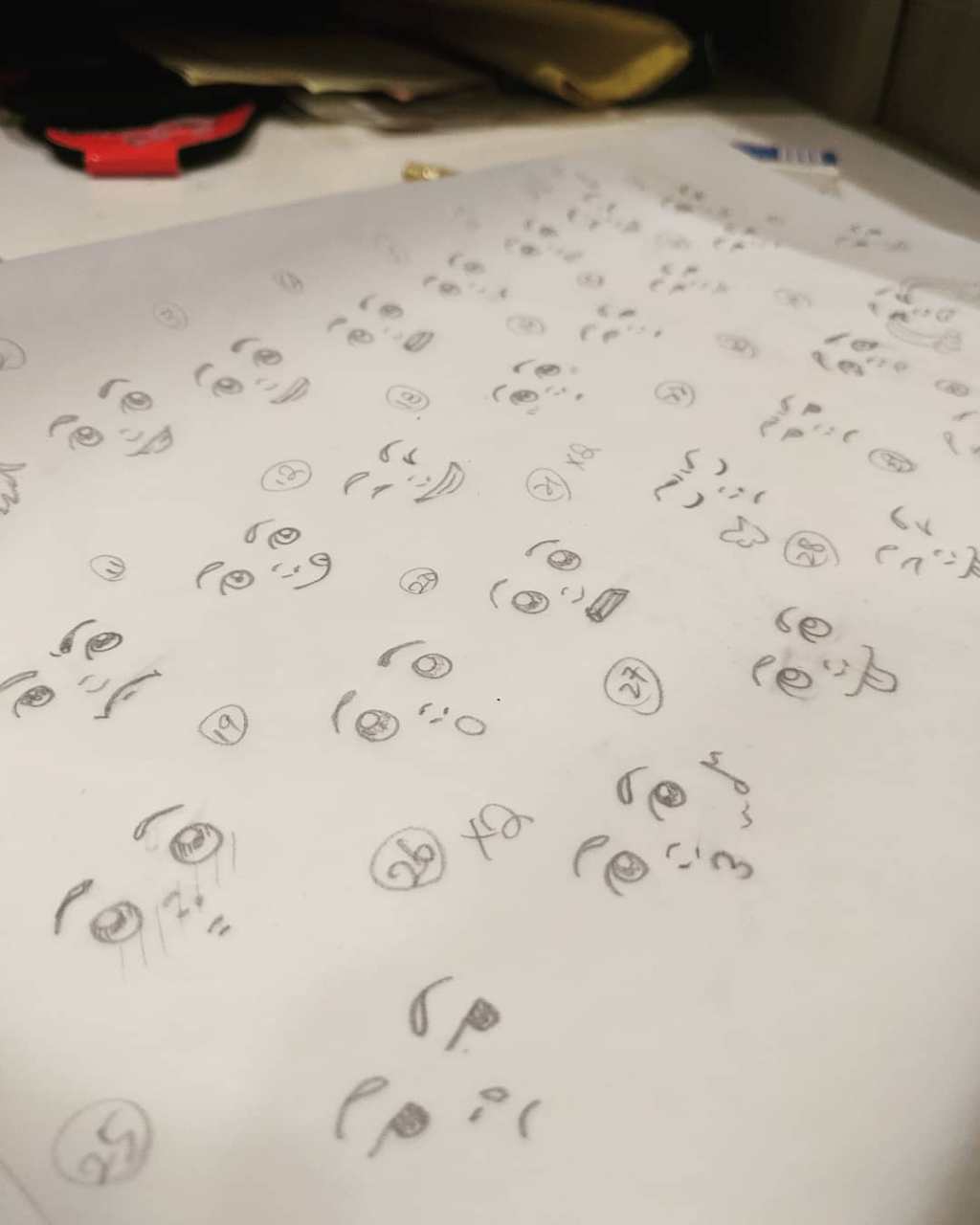
When people tell me or my students that we’re “lucky to be so talented,” I wish they could see the hundreds (even thousands) of hours behind every piece we create. I wish they could see the stacks of sketchbooks filled with half-finished ideas, the messy experiments with new materials, the frustration when something doesn’t turn out as planned, and the quiet pride when it finally does. What they’re seeing isn’t luck or talent—it’s dedication, passion, and perseverance.
The “Born With It” Illusion
The belief that people are born with talent can be a dangerous myth. It suggests that unless you show brilliance from the start, you’ll never be good at something. That kind of thinking is paralyzing. It makes people give up before they even start.
Yes, some people might seem to pick up skills faster than others—but that’s often because they’ve been exposed to those skills earlier or more frequently. Or maybe they’ve developed better ways of learning. The real difference isn’t some invisible genetic advantage—it’s about how effectively someone can learn and practice. A “talented” artist isn’t born with technique; they’re just better (or faster) at acquiring and refining it.
What the Research Says
In her book The Creative Habit, choreographer Twyla Tharp dives deep into this idea. She’s someone whose career is built on creativity—and she doesn’t believe in being born creative. Instead, she argues that creativity is a habit, a routine, a way of moving through the world. One chapter in particular debunks the idea of the “natural-born genius.” Tharp writes about legendary artists who weren’t magical beings touched by the gods. They were relentless workers with strict routines, endless curiosity, and an unstoppable drive to get better.
They practiced every single day. They showed up, even when it wasn’t fun. They didn’t wait around for inspiration to strike—they got to work and created their own spark.
The 10,000-Hour Rule
Malcolm Gladwell’s popularization of the “10,000-hour rule” in his book Outliers echoes this same theme. Gladwell writes:
“Ten thousand hours is the magic number of greatness.”
This idea suggests that it takes about 10,000 hours of deliberate practice to reach mastery in any complex field. For artists, this means thousands of hours spent drawing, painting, sketching, editing, and thinking visually. That’s not to say every artist needs to clock in exactly 10,000 hours to be good—but it does highlight something important: excellence takes time.
But Gladwell also makes a key point:
“Practice isn’t the thing you do once you’re good. It’s the thing you do that makes you good.”
This flips the usual narrative. You’re not supposed to already be good. You become good by practicing. So if someone tells you, “I could never be an artist,” what they’re really saying is, “I haven’t practiced being an artist.” That’s a choice, not a fixed destiny.
Behind every successful artist, musician, dancer, or writer is a mountain of practice, mistakes, revisions, and experiments. It’s not about being born with genius—it’s about putting in the work. Over and over and over again.
And guess what? Most of the artists I know do put in that kind of work. It’s why they always have a sketchbook with them. It’s not just a place to doodle—it’s a space for exploration, risk-taking, and growth. They sketch not because they’re bored but because they need to. It’s how they process the world. It’s how they stay curious. It’s how they keep their skills sharp and their minds engaged.
Sketchbooks are more than collections of drawings—they’re journals of discovery. They’re proof that creativity isn’t some divine lightning bolt, but a long and evolving relationship with craft.
Redefining Success
We also need to talk about what success looks like in the art world—because that’s another place where myths cloud the truth.
There’s this stereotype that to be a successful artist, you need to be rich and famous. Your work needs to be hanging in galleries or sold at auctions for millions. But that’s such a narrow and harmful definition of success.
I’ve had people tell me I’m successful because I’m a full-time art teacher. I’ve built a career around art education, sharing my passion and helping young people find their own creative voices. I consider that a huge success. Other people might see success as making a living through commissions, or publishing a comic, or starting a small business selling handmade goods. Some artists feel successful when they create something that speaks their truth, or when their work helps someone else feel seen. All of those are valid.
The art world is competitive, yes. And sometimes success does come down to being in the right place at the right time. But more often than not, it’s about grit, not luck. It’s about showing up, doing the work, and pushing through the setbacks.
Encouraging Our Students (And Ourselves)
I hear it all the time from students: “I just can’t draw.” “I wasn’t born with it.” “I’ll never be good.” And every time, I push back. Hard.
Because that kind of thinking is a self-fulfilling prophecy. If you believe you’ll never get better, you won’t even try. But if you start from the belief that skills can be learned, suddenly the door is wide open. Maybe you haven’t found the right way to practice yet. Maybe you need different materials, or more time, or a different kind of feedback. Maybe it’s not about talent at all—it’s about approach.
I’ve seen students grow from hesitant beginners into confident artists just by shifting their mindset. When they start to see mistakes as learning opportunities instead of proof of failure, everything changes.
And that’s the mindset I try to live by, too. I’m constantly learning, constantly pushing myself to explore new methods, new styles, and new tools. Creativity isn’t static—it evolves with you. But only if you keep showing up.
Final Thoughts
Creativity isn’t about being born with something special—it’s about doing something consistently. It’s about having the courage to try, the discipline to keep going, and the curiosity to keep growing. It’s not magic. It’s not luck. It’s work. Passionate, joyful, sometimes messy work.
So the next time someone says, “I wish I was born creative,” remind them: they don’t have to be born with it. They just have to start. Keep a sketchbook. Try something new. Get uncomfortable. Let go of the myth, and embrace the habit.
Because anyone—and I mean anyone—can learn to be creative.
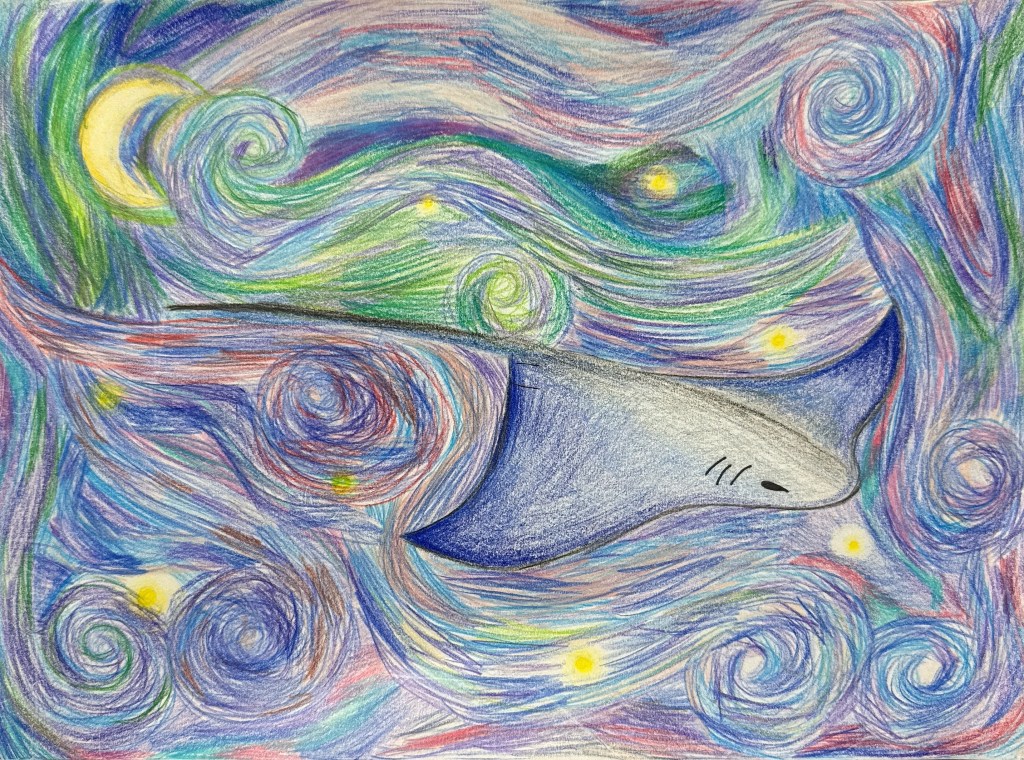

 123ArtAppetit
Leave a comment