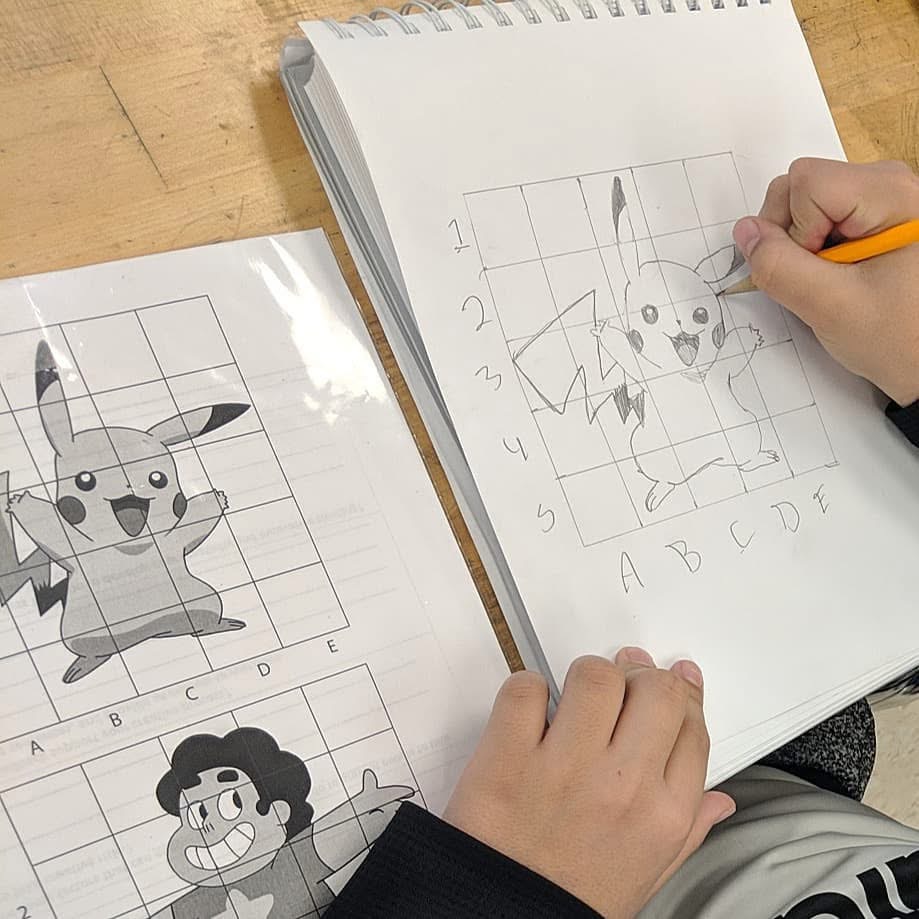
When I started teaching, I believed passion and compassion were the most important qualities a teacher could have. Show kids you care, accept them as they are, and they’ll want to learn.
My instructor from when I was studying in SAIC told us something I still remember: “A student will not learn until a positive relationship is built between teacher and student. We have to earn their trust before we can teach them.”
I nodded along, writing it down in my notes. I understood it—or thought I did. Back then, I believed care and trust were the same thing. If I showed enough care, I would eventually earn their trust. It seemed straightforward.
Years into teaching, I’ve learned something harder and more important: compassion is necessary, but it’s not enough. And care and trust? They’re not the same thing at all.
The Myth I Believed
Fresh out of training, I walked into a Chicago public school classroom armed with good intentions. I genuinely cared about my students. I was ready to be accepting, passionate, and supportive. And I was all those things.
But caring didn’t change the fact that many of my students couldn’t afford to think about high school, let alone college. Working to help feed their families was their reality. Compassion didn’t undo years of being called “dumb” or “lazy.” Labels that had convinced them to give up before trying.
I come from a traditional, competitive learning environment myself. I know what it feels like when the system tells you you’re not enough. So I doubled down on acceptance and encouragement.
And still, many of them wouldn’t engage.
What I Was Missing: Trust
Reading through the OCT’s Ethical Standards, Standards of Practice, and Professional Learning Framework, I kept coming back to one word: trust. Care is essential. It’s a key ethical standard, and I absolutely believe a teacher should show compassion, acceptance, and insight for developing students’ potential. But trust is the foundation everything else is built on.
Students won’t learn from someone they don’t trust. And trust isn’t built through compassion alone—it’s built through being dependable, consistent, and genuinely present in their world.
My students needed to know that the adults at school weren’t just nice. They were there for them. That they could ask questions without judgment. That someone believed they were capable of challenging themselves. That they weren’t alone in their learning journey.
Trust means showing up, not just caring from a distance.
But what does that actually look like in practice? Trust is built in small, concrete actions:
Following through on promises, even tiny ones. If I say I’ll bring in extra markers next class, I bring them. If I say I’ll look at their sketch during lunch, I do it. Students are watching to see if my words match my actions.
Admitting when I don’t know something. When a student asks about a technique I’m not familiar with or references something from their world I don’t understand, I say so. “I don’t know that anime. Tell me about it” or “I’ve never tried that method, let’s figure it out together.” This levels the playing field and shows them that not knowing isn’t failure.
Being consistent with routines and expectations. Students need to know what to expect from me. When class starts the same way, when feedback is delivered with the same care, when rules are applied fairly, they learn they can count on me. Inconsistency breeds anxiety; consistency breeds trust.
Remembering the details. When I remember that a student’s family is moving next month, or that they were nervous about a presentation last week, or that they love a specific video game character, it shows I’m paying attention. They’re not just one of thirty students to me. They’re individuals I see and remember.
These aren’t grand gestures. They’re the daily work of being someone dependable.
The Work of Translation

Here’s what I didn’t expect: building that trust requires constant translation work between my world and theirs.
I’m not much older than my students—less than a 20-year age gap—but the difference in our experiences is vast. They’ve grown up with internet access, digital devices, and social media from childhood. I didn’t. When they reference their lives, I’m often lost.
If I want to create student-centered, engaging projects, I need to actually understand what centers them. So I started watching the anime they watch. I play the online games they play. Not to be the “cool teacher,” but to genuinely put myself in their shoes and understand their world.
The after-school conversations with my students have taught me more about how they see the world than any professional development session could. And what shocks me most is how different their perspective is from mine. Not wrong, but different. If I don’t do this work of translation, I’m teaching to a version of students that doesn’t exist.
Here’s what I didn’t expect: learning about their world brings me closer to them in ways that change the entire classroom dynamic. People talk about how teachers are alone behind closed doors—it’s you versus a group of students, battling their knowledge and patience. But after I started learning more about their world, something shifted. I’m not just the teacher anymore. They understand that I speak “their language” and know their hobbies. We have common ground.
And honestly? Being a kid outside of work is fun and relaxing. I never knew I would enjoy it this much. It doesn’t feel like work—it feels like I’m experiencing things I missed out on, while also building bridges to the students who need me to meet them where they are.
When Trust Unlocks Potential
Here’s what trust actually does in a classroom: it doesn’t just help students learn the content. It helps them discover parts of themselves they didn’t know existed.
There’s a saying: practice doesn’t make perfect, but you get better at it. Most of my students never get to see this part of the artistic process because they’ve never had the chance to sit down and practice art more. They practice sports for hours—why not art?
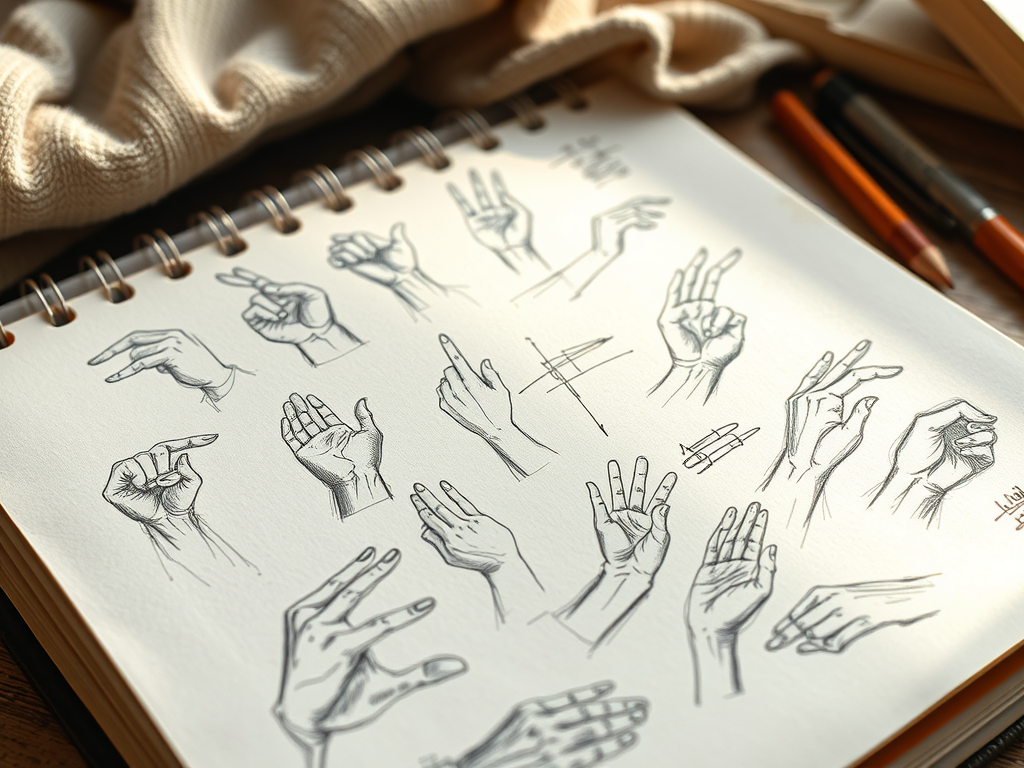
I have a student who never had proper art education before my class. He started doodling in other classes. Other teachers complained he wasn’t paying attention (sorry to my colleagues for the problem I created), but what I saw was different: this student discovered the fun in drawing one-point and two-point perspectives. He got obsessed with human anatomy.


The figures he draws are still child-like in many ways. But compared to the beginning of the school year, his skill has visibly improved. The proportions and angles are better. He’s attempting dynamic poses, difficult work that even many of my advanced students struggle with. He asked for art supplies for Christmas. From a 15-year-old boy, that’s rare!
My student made this progress because he learned to trust my expertise, and then he made time to practice outside of class. The result? He found a passion he didn’t know he had.
This wouldn’t have happened if all I offered was compassion. He needed to trust that I knew what I was talking about, that practicing these fundamentals would lead somewhere meaningful, and that I would support him through the frustrating parts of learning something new.
Trust creates the conditions for students to take risks, to practice, to fail, and to discover who they might become.
What This Means Now
I’ve stopped thinking of myself as the compassionate teacher who just needs to care enough. Instead, I see myself as:
A bridge-builder. My job is to span the gap between their world and the learning I’m responsible for teaching them. That requires me to stand in both places.
A dependable presence. More than being nice or accepting, I need to be someone they can count on. Someone who shows up, who understands them, who believes they’re capable even when they don’t believe it themselves.
A co-learner. The students I work with have insights, perspectives, and solutions I don’t have. Recognizing this doesn’t diminish my expertise. It expands what’s possible in our classroom.
Compassion is still essential. I haven’t lost that. But I’ve learned that the gap between good intentions and good teaching is filled with hard, intentional work—the work of building trust, learning their world, and showing up consistently day after day.
What I’m Still Learning
Here’s the thing: I still don’t have it all figured out.
I’m still learning how to balance consistency with flexibility, how to be dependable while also adapting to what individual students need in the moment.
I’m still figuring out how to reach students who don’t trust any adults, not because I haven’t tried, but because they’ve been let down too many times before I met them. Some walls take longer to break down than one school year allows.
I’m still learning how to explain to students why foundational skills matter when they just want to jump to the fun parts. How do I honor their enthusiasm while also giving them the tools they actually need?
And I’m still discovering new ways my own biases and assumptions show up in my teaching, moments where I realize I’ve made a judgment about a student that wasn’t fair or accurate, and I have to course-correct.
But that’s the work. That’s what teaching looks like: showing up with experience but also with humility, knowing there’s always more to learn about the students in front of me and the teacher I’m still becoming.
That’s what I didn’t know when I started. That’s what keeps me teaching now.

Leave a Reply